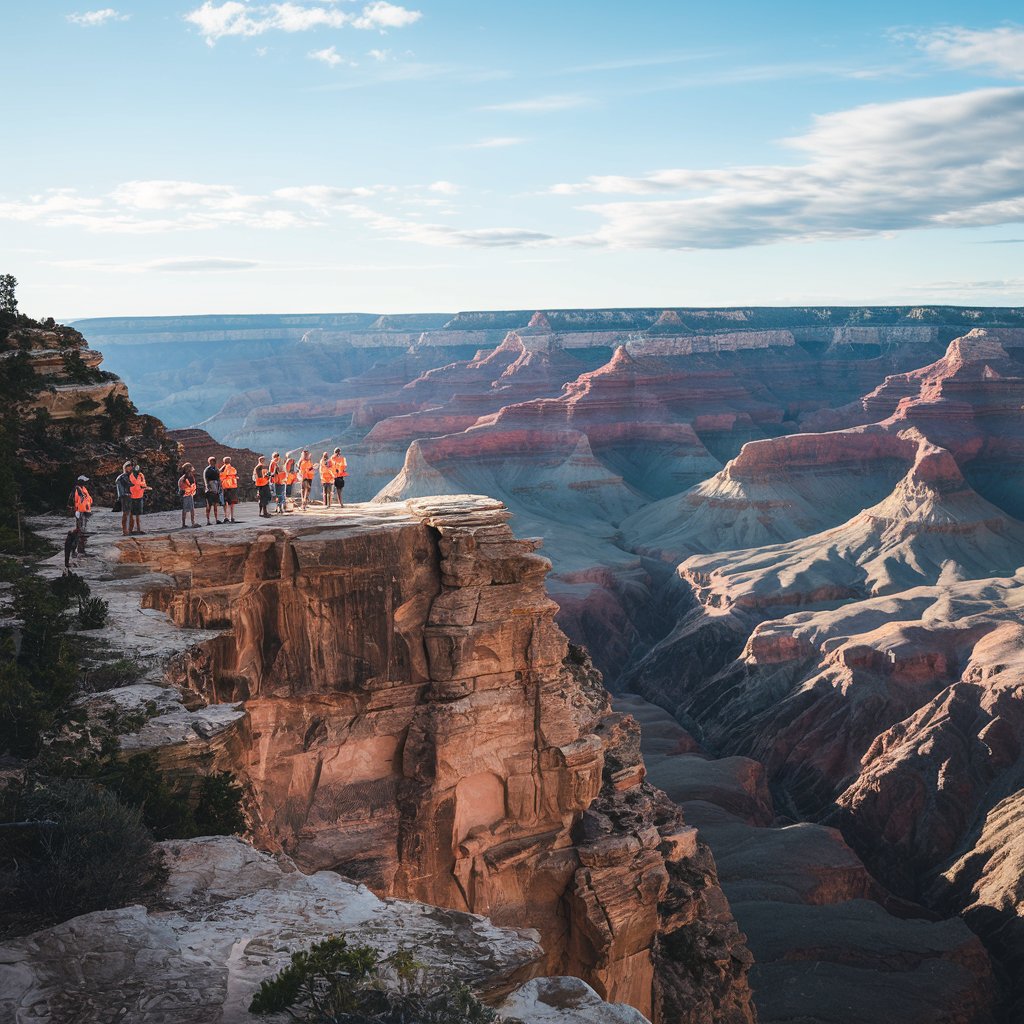
Palatki heritage site: ancient art and stone homes

The moment I arrived at the Palatki heritage site address, I sensed something special. This wasn’t just ruins. Instead, it was an open‑air storybook carved into red cliffs. As I read Palatki heritage site reviews and viewed Palatki heritage style photos, I expected old rocks. But I found artwork, ancient homes, and clever spaces built to fit the sun and wind with care and purpose. The Palatki heritage style became real right before my eyes.
These cliff shelters were created over 800 years ago by the Sinagua people. Every stone was chosen with care, every doorway set in just the right spot. I studied the Palatki heritage style Wikipedia summary, but nothing beats seeing the walls and murals up close. The small windows lined up with the sunrise and sunset. The wood beams were shaped to hold up flat roofs. I felt amazed as I walked through rooms that still echoed children’s laughter from centuries ago.
Nearby, the Honanki heritage site Arizona offered something similar yet different. I went on both the Palatki heritage site tours and the Honanki heritage site tour. Each place had its own energy. Honanki had more paintings inside, while Palatki felt softer and more hidden. I learned that these sites once served families, gatherings, and ceremonies, all designed to respect nature’s seasons.
By the end of my visit, I realized that Palatki heritage style map wasn’t just a way to find rooms. It was a lesson in smart building. Every part of the structure spoke of knowledge passed down through generations. And although modern maps guide tourists, the ancient map built into the land is far older and wiser. This trip taught me that traveling isn’t just seeing things—it’s learning how people lived beautifully long ago.
Tech meets tradition: preserving Palatki heritage site
At first, I wondered how ancient cliff homes could survive this long. Then I learned that modern tools are helping to save them. Today, experts use technology to protect this treasure so that future travelers can enjoy it without harming it.
They use 3D laser scanners to capture every detail of walls, roofs, and murals. These scanners build exact digital copies of the site. Plus, drones fly overhead to create maps and check for erosion. This helps park rangers see if any parts are cracked or in danger before anyone notices.
Virtual reality (VR) is making a difference too. Kids who can’t visit in person can now walk inside Palatki with VR headsets. They see the rooms, the art, and the sunsets—without leaving home.
Even artificial intelligence (AI) hears the stories. Algorithms can identify petroglyph patterns and predict where hidden murals might be hiding under dirt. GIS mapping tracks elements like rain wash or plant growth. This lets protectors act before damage happens.
Thanks to tech, the Palatki heritage site history is recorded in more detail than ever before. That’s why I could picture how people crossed those rooms and felt the wind inside caves. And because of these innovations, the future of Palatki and nearby Honanki heritage site remains safe. Traveling stories now come with tech‑powered knowledge, and that mix makes our trips even richer.
Cliffside architecture that still holds magic
Walking inside the alcoves, I felt like I was stepping into a story. The builders of Palatki heritage style used natural materials that matched the red cliffs all around. This wasn’t construction—it was art with a purpose.
Features that amazed me:
-
Sandstone block walls held together with clay mortar.
-
Wooden beams, carved and fitted into rock ceilings.
-
Small windows perfectly aligned with sun’s path.
-
Murals painted with earth colors, still bright.
-
Careful placement of homes to stay warm or cool with seasons.
These designs weren’t random. They were smart choices based on sun angles and wind direction. For instance, windows face south for winter warmth and shade in summer. Roofs sloped just enough for rain to drain smoothly. The colors blend with cliffs, making dwellings almost hidden.
Exploring the Honanki heritage site tour afterward, I saw the same clever techniques. But Honanki had even more preserved murals inside. Jumping between Palatki and Honanki, I realized both places share techniques yet feel unique, making the visit feel like unfolding a secret history.
The Palatki heritage style map shows how each room was connected. I followed the map and discovered living spaces, storage areas, and places where families gathered. These homes felt alive, not silent ruins. I could almost hear footsteps and laughter from so long ago.
Visiting Palatki today: travel tips and experiences
When I planned my day, I used Palatki heritage site tripadvisor tips to guide me. I arrived early, just after sunrise. The light made red stones glow. Paths were sandy and uneven, so good shoes were a must. A forest pass was checked at the entrance—worth it to protect this site.
What helped me enjoy the visit:
-
Book a tour in advance—spaces fill up fast.
-
Wear sturdy shoes, bring plenty of water.
-
Morning visits are best—afternoon heat can be strong.
-
Follow each sign and stay on trails.
-
Take time to look at murals, petroglyphs, and cliff shapes.
During my Palatki heritage site tours, I heard stories of families, ceremonies, and daily life. Guides showed how rainwater was managed and how spaces stayed cool during summer. It felt like explorers uncovering a secret world.
Then I drove to Honanki heritage site Arizona in the afternoon. The hike was short but steep. Once there, murals greeted me inside deeper alcoves. The colors felt brighter at Honanki. The sense of peace was similar—quiet, respectful, and powerful. Both sites offered a chance to imagine a community living in harmony with its environment.
By evening I reflected: these places weren’t just about stone and art. They taught me about patience, wisdom, and how people long ago lived close to nature’s rhythms.
FAQs
What is Palatki heritage style?
It’s how the Sinagua people built homes using stone, wood, and natural rock walls.
Where is the Palatki heritage site located?
Just outside Sedona, Arizona—check the Palatki heritage site address for directions.
How old are the structures?
They are over 800 years old, from around A.D. 1150–1350.
What’s the difference between Palatki and Honanki?
Both are cliff sites with similar styles, but Honanki has more murals and different layouts.
Do I need to book in advance?
Yes—Palatki heritage site tours require reservations because access is limited.
Conclusion
Traveling to the Palatki heritage style site felt like time travel. It taught me that building with nature can last for centuries. From ancient cliff homes to today’s digital maps, the blend of old and new made this trip unforgettable. If you love history, nature, and stories carved in stone, visiting Palatki and Honanki in one day is a journey you’ll remember forever.